
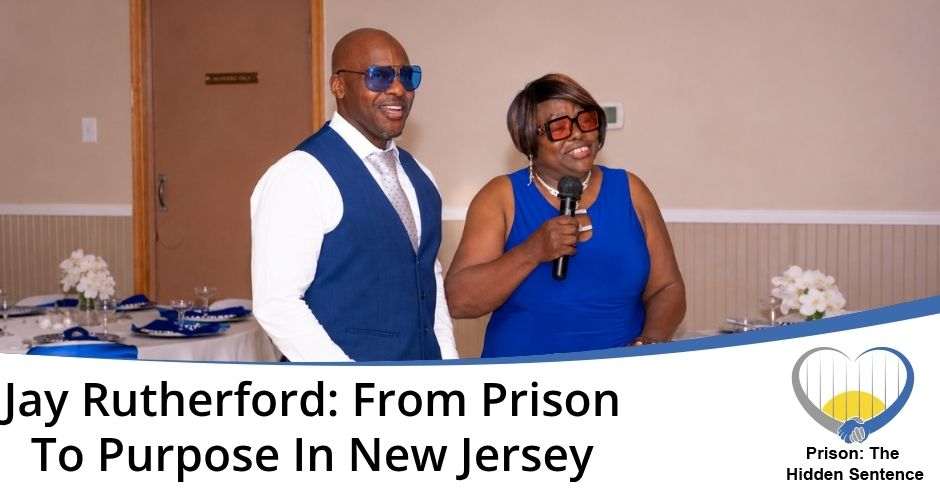
Prison changed the course of Jay Rutherford’s life—but what he did after his release is what makes his story unforgettable. In this episode of Prison: The Hidden Sentence, host Julia Lazareck sits down with Jay Rutherford, a New Jersey advocate who knows the system from the inside out, having served time himself before dedicating his life to lifting others up. Jay opens up about his own journey through incarceration and the hard-won lessons that now fuel his work supporting returning citizens as they rebuild, facing down the barriers of employment, housing, and rebuilding trust, while also standing with the families who quietly served a sentence of their own. His honesty, hope, and heart make this conversation impossible to turn off. Whether you’re navigating reentry yourself, loving someone who is, or simply looking for proof that people can transform pain into purpose, Jay’s story will stay with you long after the episode ends.
—
Listen to the podcast here
Jay Rutherford: From Prison To Purpose In New Jersey
I’m joined by Jay Rutherford, a respected leader in the re-entry community and a passionate advocate for individuals and families impacted by incarceration. Since his release from prison, Jay has dedicated his life to helping others successfully navigate the challenges of re-entry. Through his work with numerous organizations and initiatives, he has provided support, guidance, and opportunities for returning citizens and their families, helping them build stable and productive lives.
In this conversation, Jay shares his personal journey through incarceration and re-entry, the lessons he learned along the way, and the experiences that shaped his deep compassion for others. He talks about the organizations he has helped create and support, the barriers people face when returning home, and the purpose that drives his work every day. Whether you have a loved one preparing for re-entry, work in the justice-impacted community, or simply want a better understanding of the challenges and opportunities that come with rebuilding a life after incarceration, this is a conversation you won’t want to miss.
‐‐‐
Welcome, Jay. I’m so happy that we were able to schedule this time together.
Thank you. I’m happy to be here. I’d like to thank you for the opportunity for me to be able to share my journey and the things that I’m working on.
I’ve heard about the people that you’ve helped and the work that you’re doing, so I was so happy that we could get this time scheduled so we could hear from you. Let’s start with what you’re working on and the other projects that you’ve been involved with to get you here, and then we’ll talk about your why.
Launching The “Life After Life” Support Group
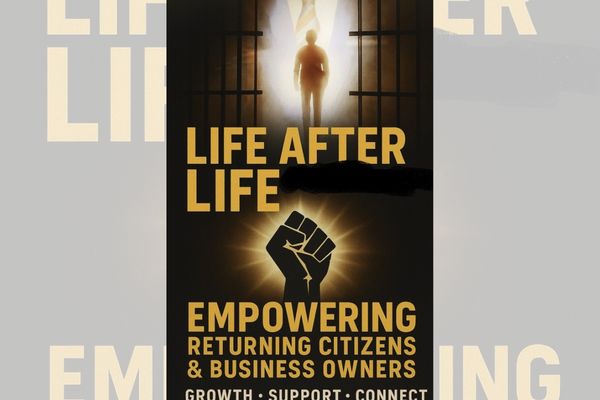
I started the Life After Life Returning Citizens Support Group, which is a support group that provides support, counseling, mentorship, and family reintegration to people who have been fully incarcerated. As we both know, people coming home from prison or from incarceration have a hard time sometimes adjusting to society because they’ve been gone so long.
I was incarcerated. I did a hefty sentence, so when I came home, it was hard for me. They have cell phones. They have different types of technology. Also, even connecting with your family is a challenge. I wanted to create a space where people could come and express the different obstacles and adversities that they may be dealing with, coming from incarceration.
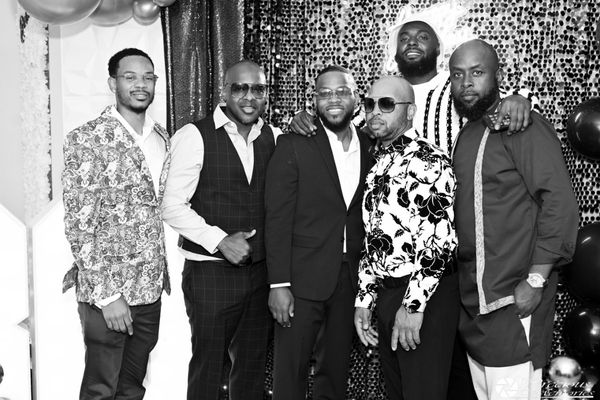
I created the Life After Life Returning Citizens Program. We meet twice a month. One of our members participated in one of our building trades programs. He wound up graduating from the program. He got a job and worked construction. Another person who came home at that time, we helped him with a job, also. He’s working at a hospital. We are moving in the right direction in the program.
We also have family members and relatives who come to our program because they want to understand their family members. My mother is a partner in the program because she has her own journey. I have my journey. I did 30 years of incarceration. She did 30 years, too, because she did it with me. She is able to share a journey also. It’s very impactful and a safe space.
Thirty years is a lot, not just for you, but also for your mom. She’s on this journey with you. She’s been with you. I wanted to call out Dale and Karen, who also did an episode with us. They spoke about how much your program has helped them. I wanted to ask. How do people attend? Is that in person? Is it online? Where is it?
It’s in person. We meet twice a month at the Imani Fellowship Center in Camden, New Jersey. It’s from 1:00 to 3:00. It’s normally on a Saturday. We have food and drinks there. We accept anybody who can come. We have family members who come. They bring their kids. We have people who have been incarcerated. We have another Returning Citizens Support Group in Newark. They come and support us, too. We’re trying to create a little union where we all work together and share resources.
We are working it out at the Imani Fellowship Center, which is in Camden, New Jersey. We have a partnership with them. We are collaborating with them to raise awareness about these issues of the post-traumatic stress syndrome of being incarcerated. A lot of people have a lot of mental things that they deal with when they come home, such as adjusting to the family and getting to know their family members.
For me, my son wasn’t even born when I got incarcerated. She was two months pregnant. My son was born while I was incarcerated, so I had to come home and introduce myself to him. I’ve been gone for 30 years of his life. He’s a grown man now. That was an obstacle that I had to deal with. I had to deal with him being able to accept me, knowing that I never went to any of his birthday parties.
Those are things that people don’t realize that people who are incarcerated have to deal with. You have to be in incarceration. You go through your process of being incarcerated, and you have to come home. You have to readjust. You have to reintroduce yourself to your sister. Your niece doesn’t know you. She’s eight years old when you were incarcerated. You’ve been locked up for thirty years, so she doesn’t know you.
Those are the things that we deal with. Those are the things we address in our meetings. We had people who came to our meetings and cried with us. The meetings are so powerful and electric. When people come in that form, and they see the energy and feel it, it gets me overwhelmed. When I told them about my journey, I didn’t cry. My mom cried. That’s the type of environment that we set. It’s a wholesome, safe space where you can express yourself and have people to relate to because we’ve been through it.
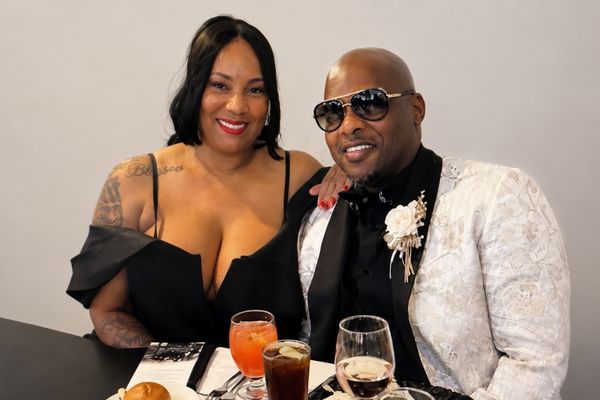
I got goosebumps. That’s so important for everybody to get together. I wanted to make a point that that’s in New Jersey. This program is so amazing. It’s so important to get everybody together. Thank you for doing this. That was the Life After Life Support Group that’s going on, growing, and helping people. I still have goosebumps thinking about it and the energy. When I bring people together, and I can feel it, and I can feel you, that’s so wonderful. There are other groups that you’ve been involved with.
Community Leadership And Youth STEM Initiatives
I am a CPAC member. I sit on the board of CPAC, which is the Community Planning and Advocacy Committee. What we do is evaluate all of the programs within our city and the volunteers in the different programs. We see how we share resources. We also see what program is working, what program is not working, and how we could make the programs better. We share resources and collaborate. That’s one of the committees I’m on.
I’m also the chairman of the Camden County Advisory Board, where we evaluate the programs and give assessments. We are the boots on the ground because we are dealing with the homeless population every day. We deal with them and talk to them, like, “What services do you need? What do you think you can do better? What do you like about certain programs?” That’s another aspect of what I’m doing.
I also started the Kings and Queens of Camden Chess Club. As I was going through my journey, chess was my only safe space while I was in prison. The only time that I was at peace was when I was playing chess. I was also featured in Sports Illustrated in May of 2005, where I played a guy from Princeton. I eventually lost. It was called Ivies vs. Inmates. It was a very powerful story. I’m well-known in the chess arena. I wanted to create an atmosphere for the youth and teach them chess.
Also, in the midst of teaching them chess, I’m teaching them about decision-making, critical thinking, problem-solving, and how to calculate their moves. Chess is symbolic of life, how you make your decisions, and what road you take. I always tell them the three Ds. “Your Decisions Determine your Destiny.” The decision you make determines the road you take.
Another thing we started is called Genius Lab. We teach the kids about stem cells at 5 or 6 years old. We teach them robotics and computer training. The kids learn it fast. The youngest is 5, and the oldest is 15. We do it every Wednesday from 5:00 to 8:00. We do it every Saturday from 12:00 to 1:00. The kids love it. They come in and look forward to it every week.
The 3Ds: your decisions determine your destiny. The decisions you make determine the road you take. Share on XWe’re teaching them the future of coding and all that. That way, when they go into the future, they will be equipped with the tools because everything is technology and AI. They would be equipped with the tools to be able to create a successful living and have an impact on the world. We are trying to have them by the end of the year, building robots, androids, and that type of stuff. We are going to expand.
I told you they have a Returning Citizens Support Group in Newark. That’s where I got the real motivation and passion to start one in South Jersey. I went to the one in Newark, and I’ve seen how they had it. I’ve seen how passionate it was. My brothers were there. They did 20 and 30 years. It was impactful. I went to one of the meetings, and one brother did 44 years. This brother is a very outspoken brother, but when it was time for him to speak, he got emotional.
He said, “I can’t even talk right now. I’m never at a loss for words, but at this moment, it’s overwhelming to see brothers with whom I have traveled in prison. We never thought that we would make it out.” The brothers are looking good. They got jobs. They are directors and leaders in the organizations. He said, “It’s so overwhelming. I can’t even talk now. I don’t even know what to say.” That’s how powerful it was.
Cultivating Unshakable Confidence During Incarceration
Serving 20, 30, or 40 years, a lot of us who are reading couldn’t even imagine that, and then you’re coming out and giving so much. How do you do that? How do you come out after that?
I was talking to my fiancé about this, I had an unshakable confidence that, eventually, I was going home. When my mom used to come see me, I could have 26 years left, but she’s like, “You know you’re coming home, right?” She always instilled that in me, like, “I don’t care how much time you do. You are coming home.” I started saying that to myself. Every day, I was saying, “I’m coming home. I’m coming out. I have 24 years left, but I’m still coming out.” I said it so much that I started believing it.
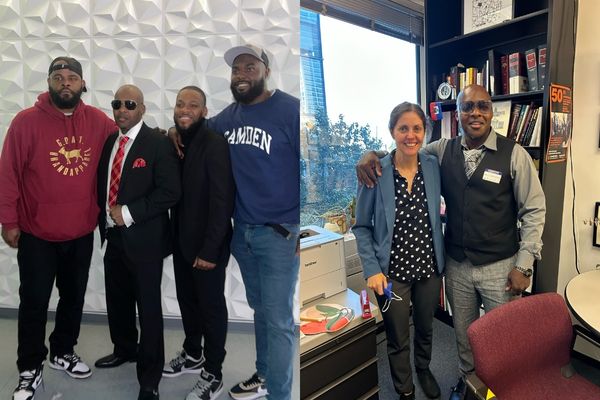
When I went to the parole hearing, in my mind, I was going to the hearing to get my date that I already knew I was supposed to get. Some people went, and they were like, “I hope they give it to me.” I’m going with the mentality that I know they’re going to give it to me. I did everything they required of me. I didn’t catch any institutional fractions. I took a college course that I had paid for myself. I took every program that they had. Everything that I was supposed to do, I did. In my mind, my confidence was like, “I’m coming home. I’m going to work my way out.”
Bad thoughts and negativity brought me to this platform. By being positive, evaluating myself, learning from my mistakes and bad decisions, and correcting everything, those would help me get out. You have to have an unwavering confidence and belief that you’re going to make it out. You have to have a program in your mind.
The brother I told you about, who did 44 years and had 3 life sentences, Governor Murphy wound up cutting his sentence and releasing him. He was about 73 years old. Know that, at some point in time, you might not make it out. That’s the reality, but you can’t let that become your reality. My reality was that when I was in there, even though I had 30 to life, in my mind, I was like, “I’m doing 30 years.” That life didn’t even process in my mind. I was like, “I don’t care what they say. I know what I’m going to do. I’m going to do 30 years.” That’s what became my reality.
You have to instill in your mind that you’re going to make it through this. You have to tell yourself that every day. Every day, I used to wake up, and when I brushed my teeth, I was like, “I’m going home. I’m going to make it out of here. I don’t know what they talk about.” That’s how you get through it. You have to have an unwavering confidence and belief that you’re going to make it out, and that you’re going to make it out whole and healthy. God is going to guide you through this. You have to have faith.
I’ve got two questions. The first one I’m going to ask is, for somebody that doesn’t have a mom like you, who’s saying, “You’re going to get out,” or somebody that doesn’t have that cheerleader, for somebody that’s incarcerated that does have people on the outside. We talk to families on the outside, how can they change their mindset? We’ll talk about the pivotal points during the incarceration that helped you get to that point. The first question was, what about people who don’t have a mom like yours? What can we tell the families?
A lot of brothers with whom I was incarcerated may have lost their mothers. I’ve been in prison with people who had good relations with their family members, but they may have lost their mothers. Their mother might not be around, or their sister. They started looking at my mom like their mom. When I get on the phone, I give them the phone sometimes, like, “Talk to Mom quickly.” I give them the phone, and they feel good about that. They’re like, “Mom, we’re doing good. We’re working out.” You have to find a family with whatever you’re going through, even if it’s brothers that you’re in there with.
You have to find a family within whatever you're going through that inspires you to become the best version of yourself. Share on XA lot of brothers that I’ve been through that journey with are my real brothers. They are like blood brothers to me. I used to get mail. When I get mail, I let them read it. I’d be like, “We got mail today.” That’s what I used to say. I’d give them the mail. You have to find something to lean on within that struggle, to where that’s inspiring you to become the best version of yourself, even if it’s connecting with your son. You might not have a mother, but you have a son. You say, “At the end of the day, I want to be the best version I could be for my son, or my children, or my fiancé.” You might have a fiancé or a wife.
You have to find your special power. For me, it was my mother. She supported me, showed me love, and kept me alive in the thoughts and ideals of my youthful family members. My little cousins and my little nephew wouldn’t know me if it weren’t for her. She’d bring them to me. She was like, “I’m going to see you. You’re all coming with me.”
People who don’t have a mother like that, you’ve got to connect with the people that you do have on your team. You also have to show them through your actions that you’re not the same person because everybody is watching you. If you have to go to school, you’ve got to go to school. You have to learn whatever you can learn. Get different degrees. Get a high school diploma. People start seeing the change that you make in your life, and they would embrace that. They would say, “You aren’t the same person you were. I see you going to school. You’re staying out of trouble. You’re standing around positive people. You are very encouraging. You’re encouraging other people.”
Your little nephews, you’re talking to them about incarceration, family, and the importance of going to school and stuff like that. They start to see the energy and change. Some people still want you to be the person that you were. You’re not that person anymore. You’ve elevated. You’ve changed your mentality. You don’t subscribe to the same type of thoughts that you used to.
Thank you for sharing that. That’s so powerful. I’m going to be sharing this with the families. I’m hoping I can even get this episode to the people, and it would help them. We talked about pivotal points when you were incarcerated. That’s what helped bring you to the next level. Could you talk about that a little bit?
The Power Of Mentorship And Personal Evolution
When I first got incarcerated, I was incarcerated at the age of nineteen. At the age of nineteen, I was still worried about buying my next outfit for the next day. I wasn’t paying any bills. I didn’t have any structure. I’m going through the incarceration process. I’m in the county jail. At 22 years old, I wound up going to a trial. I lost the trial and received a life sentence with a 30-year parole eligibility.
When I went to prison, it still didn’t kick into the whole process of what I was up against until I met a brother. I met a brother who had been locked up since 1978. He had killed somebody in prison. He was one of my very close mentors. He was the first man that I’ve ever had in my life to challenge me. He challenged everything. When I read something, he’d be like, “What are you reading today? Where did you get that from? Who wrote it? What did you get out of it?”
He always challenged me. I said, “Why are you always on me?” He was basically preparing me for manhood. He told me one time, “You either turn your sins into a tomb or a womb. A tomb is where people go to die, and a womb is what gives life. It’s up to you.” When he told me that, I went back to my room and thought about it. I’m like, “What do you mean by that?”
You can either turn your situation into a tomb or a womb. A tomb is where people go to die. The womb is what gives life. Share on XI pondered it for days. I came back out the next day and said, “I evaluated what you said to me. You’re right. I’m going to turn this into a womb and not a tomb.” He’s like, “Good answer. Do you know the first thing you have to do?” I said, “What?” He said, “You have to get your GED.” He forced me. I used to be like, “I’m going outside.” He’s like, “You are not going outside.” I said, “What do you mean I’m not going outside?” He said, “You’re not going outside. You’re going to the library. You’re going to study your case. You’re going to get your GED.” This is what he told me.
I was grateful to have that brother in my life because he was like a father figure to me. He got me in the right direction. I wound up getting my GED. I wound up taking college courses. I wound up graduating at the top of my class in school. I took education seriously. I was reading. I learned Spanish. Anything I could learn, I was trying to learn because I knew that I wanted to make my brother happy or proud of me. Every time I go to him, he’s like, “You’re doing it. I’m proud of you.”
He wound up doing 38 years, but he was a good, disciplined brother, too. He woke up every morning at 4:30. He exercised every day. He was a vegan. He was structured. I wanted to be like him. I wanted to emulate him. He was one of the very powerful people in my life who molded and shaped me into the person I am now, as far as giving back and providing services to the people who are formerly incarcerated.
He also told me, “I know you’re going to make it out. When you make it out, I want you to go out there and make one promise. Go out there and make an impact. Don’t go out there and try to get a job, get by, and do paycheck by paycheck. Go out there and make a difference. Make it count. They took 30 years of your life. The next 30 years of your life, I want you to be dedicated to helping people.” That’s what I did.

That is amazing. You hear all these stories, especially the families that are tuning in. There are good people who are incarcerated. There are young people who have found mentors while they were incarcerated. Hearing how this gentleman supported you and guided you, along with having your mom, is so amazing. People don’t understand that when you’re incarcerated, you can still grow. You can still have a life. You can still have hope. You can have ambitions.
When he told you to make an impact, you’re doing that. It’s such a beautiful story. I’m glad that you shared it because a lot of people don’t have that. A lot of the long-timers, the older people that are incarcerated, or the lifers, I’ve heard, have been instrumental to younger people coming in. I’m glad that you had that person who supported you. We were talking about the visitation. Your mom came, visited, supported you, and brought your nieces and nephews. What about your son? When was the first time you met your son?
Fatherhood And Rebuilding Family Connections
The first time I met my son, he was two years old. I will never forget this visit because during this visit, my son’s mother came, and she brought my son. He was two years old. He had never been around me. He didn’t know who I was. He stayed in her arms the whole visit. He didn’t even come to me or anything. I’m like, “My baby doesn’t even want to come to me. He doesn’t even want to talk to me.” We took a picture, and he was hugging his mom. I was discouraged that I had a son, but he didn’t know who I was. He looked like me, too. That was my first visit with him.
From there, my mom started bringing him up here. I’m going to share one story with you. When he was eight years old, my mom brought him to see me. He was upset because we had gotten tight after that first visit. At the end of the visit, he hugged me. He saw me hug my son’s mother, so he hugged me. That was the first time I ever hugged him and everything.
When he was eight years old, my mom used to bring him down. Every time my mom came, she brought him. He was upset, and I was wondering why he was upset. Before he came in, my mom had told him, “Your dad is coming home on your twelfth. He is on your eighth now.” To a little kid, he is sad he isn’t twelve. He comes into the visiting hall. He’s sitting there. He’s upset. He didn’t want to talk. I was like, “What’s wrong?” He was like, “Nothing.” I said, “Come on.” I took him over to the area where the kids were.
When I took him over to the area where the kids were, we sat down on the bench together. We sat down on the bench together, and he started crying. He started telling me, “All my friends got their dad. Their dad is coming to the games. Their dad teaches them how to ride a bike. Their dad teaches them how to tie their shoes. I have games, and I don’t have anybody there.” When he told me that, that touched my soul. He started crying. He started expressing himself. He started going in. I didn’t even know what to say. I’m looking at him, and he’s crying. I didn’t know he felt that way.
After that visit was over, I went back to my room. I didn’t even know what to tell him. I didn’t know anything. That was something I didn’t prepare for. I didn’t know what to say. I was thinking about it the whole time. I said, “What am I going to say to him? What can I say to him?” The next visit came, and I was ready. I said, “I got something for him. I got a message for him.”
He was a little bit happier on the next visit. I sat in front of him and said, “How are you feeling today?” He said, “I feel good.” I said, “Remember the last visit? Do you know what you told me?” He was like, “Yes.” I said, “When you wake up in the morning, brush your teeth, and look in the mirror, what do you see?” He said, “What do you mean?” I said, “What do you see?” He said, “I see me.” I said, “Whenever you see you, you see me. You and I are one and the same.”
I said, “A lot of guys don’t even have a father. They don’t even have a father in their life. You are blessed. Even though I’m in here and I’m away, I’m still your father. I still love you. I still support you.” I told him, “Listen, I want you to make me a commitment. When you do good out there, I’m going to do good in here, and it’s going to help me come home soon.” He’s like, “Yes?” I said, “Yes.”
From that point on, we made a commitment to each other that I would stay out of trouble, and he would do well. He wound up graduating at the top of his class. He went to college. What’s ironic is that 30 years later, when I was going to see the parole board, he wrote a letter to the parole board, and that was one of the letters and the reasons why they gave me my parole release date. That was powerful.
I expressed to him, “I don’t know if I could have been forgiving for my father being away my whole entire life like that. I don’t know if I would have been able to forgive my father after being incarcerated my entire life.” He was like, “I understand, Dad. I still love you. Even though you were away, I knew you were in my life. You always did what you could.”
I saved my money up. I was only getting maybe $17 or $18 a month off my little prison jobs. I was saving my money for a couple of months to send him $100. I do whatever I can. Even if I send him $50 a month, I’m sending something. He always knew that. He always understood that. He knew that I loved him. He knows that I made bad decisions, but I wasn’t a bad person. He inspired me.
When I meet people in the city where I’m from, I say, “When you were young, everybody showed you love because of me. They’re like, ‘You’re Jay’s son.’” When I come out, everybody talks to me because of him. They’re like, “You’re Zy’s dad.” They don’t know my name. He has laid a positive foundation in the city. They don’t even talk to me if I say my name.
I’m like, “How are you doing? My name is Jay.” They’re like, “How are you doing?” If I say Zy, they give me their cards and phone numbers. They say, “You’re Zy’s dad. Here’s my phone number. We love your son out here.” That right there is a relationship we had built over time. I’m thankful that my mom was able to bring him and keep him in my life like that for all those years.
That story proves two things. One, I’ve spoken to lots of adults who have had an incarcerated parent and people who have been incarcerated. You can raise your child from behind bars. You can create a relationship with them. You proved that. The other thing that I hear, and I’m quoting it, is from somebody that I spoke to. She said, “It doesn’t matter where my daddy is, I love my daddy.” Having that connection and keeping youth with their parents, as long as there are no extenuating circumstances, that connection is so important. You proved that with that story. I’m so glad your son is doing so well and that you guys have that relationship.
I can’t credit it any more than God blessing me and being able to guide me through that journey. He blessed me to be able to come home. I have a healthy mother. I have a healthy son. All my siblings are physically alive.
Also, a fiancé.
He blessed me with a beautiful, supportive fiancé. I know a lot of people may view the interview and think, “What about the person who doesn’t have a supportive family, a mother, or a fiancé?” You still can find some type of why or some type of inspiration to be the best version of yourself.” Even if you want to prove everybody wrong who was saying, “You would never amount to anything. You will come out here and accomplish nothing.”
You still have to find what motivates you, even if it’s your religion, God, family members, children, or grandchildren. We all have something or someone that we want to show a better way. We want to show them the best version of who we are. Your past doesn’t have to be your present. You can go through a situation, but that situation will have to define who you are or what you become in life.
That’s so true. That’s a good segue to something we spoke about earlier, about the importance of giving people who come out of the carceral system for them to be able to integrate into society and make a difference. They deserve opportunities. If you can talk about that. I know that’s one of your foundations for helping people, supporting people, and giving back.
Overcoming Career Barriers And The “Next Opportunity”
In the carceral space that we’re in, coming from incarceration, a lot of times, a lot of people come home, and they get discouraged. They’re putting in job applications, but in every job application, they’re checking their background, so they’re not hiring them. I want to speak to let our brothers know that, regardless of how rough things may get, continue to move forward. Continue to believe in yourself.
My model of the word no means next opportunity. That’s how I look at it. Every, every no I get, I say, “Next opportunity. I’m going to keep moving, keep growing, and keep evolving.” I always tell everybody, “All my brothers that come from incarceration, we are subject matter experts in this field. We’ve been through it. There’s nobody better to be able to explain or address prison incarceration and come home than somebody who actually did it.”
As returning citizens, we are subject matter experts. When you go into these environments, you deserve a seat at that table. You belong. Share on XWe are subject matter experts. When you go into these environments, you deserve a seat at that table. You belong there. Go in there like you’re going to get the job. Don’t go in there hoping that they’ll hire you. Go in there knowing they’re going to hire you, or you’re going to get the job. When you fill out that application, talk to the people with confidence, like, “I deserve this opportunity. I’m not the same person I was, and I’m going to show you.”
I feel that a lot of good brothers need the opportunity. They don’t have a supportive family. They don’t have a fiancé. They don’t have a son. A lot of friends that I dealt with, their children don’t want to have anything to do with them. It’s different situations and different stories. When you go into any environment, know that you belong and that you deserve an opportunity. I don’t care how many noes you get. No means next opportunity. If you get ten noes, the next opportunity is coming. You have to take advantage of it.
I want to tell the people with the jobs in hiring people, all you have to do is give them an opportunity. I can guarantee you that a person who has been through the journey that I’ve been through or that a lot of brothers like me have been through, they’re going to take advantage of any opportunity. I see guys coming and going in jobs and working 60 to 90 days to become a supervisor or manager. For me, I had a job working in the sign shop. I was working in the sign shop for three years. I was making $0.58 an hour. My goal was to get a job so I could be able to save some money and send my mother on a trip. I said, “I’m going to send my mother on a trip. When I come home, that’s my goal. That’s my dream.”

I walk around the yard with guys who may have lost their mother. They used to tell me, “My mom isn’t here anymore. Do that for me if you don’t do it for anybody else.” They’re like, “My mom passed away while I was there. Do that for me. Do whatever you’re going to do for your mother, and it’s like you’re doing it for my mother.” I got the job. I worked and saved all my money. I didn’t buy honey buns, soups, or tuna. Nothing. I didn’t buy food. I ate off the line. I was able to accumulate $3,400.
I came home on May 2nd. My mom’s birthday was July 3rd. Before her birthday, I was able to pay for a trip to Jamaica for six days for her birthday. That was the first trip she ever went on in her whole life. She was in Jamaica, dancing, wearing two pieces on beaches, bungee jumping, and riding dune buggies and horses. To me, that was my greatest accomplishment.
When you’re incarcerated, your family is incarcerated, too, because they have to surround their life around you and count on times, knowing what time you can call, knowing what time you can’t call, being there to accept the calls, and putting money on your books. You have to put money in your books so you can buy them in the canteen.
When they come to visit you, how the visits work is when they get in line, they’re not a name. They’re a number. They call their number out. They’re like, “274391.” That’s the number that they are. Your number becomes their number. With that being said, a lot of family members and a lot of people who have these job opportunities, be patient with the brothers and the people who are coming from incarceration. Give them an opportunity. Everybody deserves a second chance or an opportunity to show you that they’re not the same person that they were.
That’s so true. We talked about how you changed your mental thoughts. You’ve got to change your mind. It seems to me that changing it while you’re incarcerated is so helpful for when you come out. It’s not just the person who’s incarcerated. It’s the family members, too. I wanted to bring that out because to anybody that’s reading, it’s changing your mind that you will get out and that you will get a job.
This is what I heard you saying. It’s having that positive attitude and getting that confidence. It’s so hard when you’ve been beaten down, but you can lift yourself up. That’s what you’ve done while you were incarcerated, and that’s what you’re doing now. You’re uplifting people so that they can thrive. I want to thank you. It’s so important for people, no matter what.
Leaving Anger Behind And Leading With Love
I wanted to share with you that, like a lot of brothers that’s incarcerated, we have somewhat of a disdain for people who may have left us or may not have believed that we were going to get out. Until my last week of coming home, I still had a little bit of hostility, a little bit of anger, and a little bit of disappointment. There were a lot of people who I felt should have supported me, should have written me a letter, or should have sent me some money.
There was one of the brothers who was already out that I used to communicate with. I asked him, “How do you go from nobody accepting your calls to now everybody loving you?” He said, “When I came out, I made the decision to leave all that stuff in prison.” I left all the anger in prison. All the letdowns, I left it all in prison.
Before I left, I read Nelson Mandela’s book, Long Walk to Freedom. He spoke about how if you leave prison and come home with that mentality, then you’ll still be in a prison within yourself. I made a decision to have a welcome home party and to give a speech. I wanted to honor my mother. I also wanted to let everybody there know that I don’t have any hard feelings toward them. I’m coming out with love. I’m leading with love. Any relationship that may have been destroyed because of my incarceration or because of their not being able to contact me, I’m leaving it where it is. We’re restarting all relationships. When I did that, it opened up the doors for people to embrace me with job opportunities, finances, and support.
A lot of people come out, and they come out with that anger. They don’t come out like I come out. They come out with that anger and bitterness, thinking everybody owes them something. They think the world is indebted to them. They think the world is supposed to adjust to them, as opposed to them adjusting to the world.
That is a very important point that needs to be expressed on this show. You have to change your heart. Whatever you’ve been through, leave all that stuff where it happened. You can’t be mad at somebody because they didn’t send you money in 2012. It’s 2027. You can’t be mad at the relationship that didn’t work out because you were incarcerated. You have to leave all that stuff behind. In order for God to let the blessings come to you, you have to let all that stuff go.
If you keep holding on to it, you’re going to block your blessings. That was my main goal when I came out. I didn’t want to block my blessings. I didn’t want to be mad at somebody because of something they did in 1999, and it’s 2023. I’m not doing that. I’m coming out with positivity. I’m coming out with love in my heart. I’m leaving all that anger and bitterness behind. I was able to grow and excel because I led with love. You have to lead with love.
That’s a powerful message. That’s so well said. You’ve been out for three years. That’s not a lot. Most of your life has been lived in prison, learning, changing this mindset, and helping others who are incarcerated.
You’ve been helping people for three years since you’ve been out. You’ve done all this work. I wanted to bring that out and say thank you for everything that you’re doing. As we wrap up, are there any last words of wisdom? What you gave us would have been a perfect ending. However, I wanted to give you another opportunity. Any last words for people coming out of prison, for the person that’s coming out, and for the families?
Final Wisdom For Returning Citizens and Their Families
For the person who’s coming out, I would like to say to them to stay positive and know that everything is a process. Nothing is automatic. Everything you get out here, you’re going to have to work for. You’re going to have to sacrifice. You’re going to have to cuss some people off. You’re going to have to do what you need to do. You’re going to have to give up some.
You have to be committed to change and committed to the opportunity that you even made it through the prison system. I have encountered a lot of brothers who have mentally not made it through or physically not made it past while they were incarcerated. The fact that you made it through there and that you have an opportunity at freedom, you have to take advantage of it.
When I had my welcome home party, one of the brothers who was there with me, a good friend of mine, pulled me outside and said, “I’ve got to talk to you.” I’m like, “Later.” He said, “I have to talk to you now.” He pulled me outside and said two things to me. It always stuck with me. This is how I was able to excel in certain areas.
He told me, “I know how things are looking right now, but take your time. The best jewel I can give you right now is to take your time because everything is going to come, but it’s going to come in its own time. It’s not going to come in your time. It’s going to come in its own time. Take your time and go through the process. Everything you go through, don’t just go through it. Grow through it. Learn. Educate yourself. Learn the process.”
Take your time. Everything is going to come, but it's going to come in its own time. Don't just go through—grow with it. Share on XI would like to say to the family members to be patient with your relatives because, at the end of the day, they’ve been in a traumatic situation for an extensive amount of time. I may have come home physically whole, and I’m able to communicate well, but I still have some hidden scars. It’s possible for you to go through and create a system of survival for 30 years, and then come home and not have residual effects.
It’s like going to the Military. You’re in the Military for twenty years, but then you come out of the Military, and you do have some social things that you have to deal with, like social interaction and relationship stuff. It’s little stuff that you have to address when you come home. A brother told me, “You might have to address that for the rest of your life.” I was incarcerated at the age of nineteen. I lived nineteen years in society, but I was incarcerated for 30. That means I was locked up more than I was free.
Be patient with them. Be patient with your loved ones. Be understanding. Be supportive. Guide them and give them the best information and direction that you can. A lot of times, a lot of brothers come out here, and they think they are smarter than everybody else. They think they know it all. You have to be supportive of them.
I had to go to the DMV 4 or 5 times to get an ID. I had somebody who was patient with me and kept continuing to take me. If I didn’t, that would have been an obstacle that I had to deal with. Be patient with them. Be persistent. Let them know that you love and care for them. always love them and always support them because any day could be your last. You have to lead with love. Be understanding and know that they have some traumatic scars that they have to deal with. Walk them through and be supportive of them. That’s all I can say to them.
I’d like to thank you for giving me this opportunity to be able to share my journey and also the lives and the people that you help. Karen and Dale love you. They said that the show was very fulfilling. It gave them the opportunity to be able to express their journey. They’ve never done anything like this before. When they connected with me, I guided them through everything. I walked them through everything and embraced them like family.
They connected with you, what you’re doing, and how you are able to deal with the families of people who have been incarcerated or people with what they’re dealing with. People don’t realize the pressure and the things that your family members go through while you’re incarcerated. You just think about yourself. Understand what your mother goes through every night, hoping that you’re safe, not knowing whether she is going to get the call to see if something happened to you. That’s very impactful.
Lead with love. I love that. Bringing up Dale and Karen, they joined the Prison Families Alliance, which has been so helpful to so many. If people want to get in touch with you, what would be the best way? Do you want to let people know how they could reach out to you or learn more about any of the organizations that you’re involved with?
You can reach out to me at JayRewRutherford.com@gmail.com. Reach out to me. I’m speaking, sharing my journey, and helping in any way I can. We have the Life After Life website. It’s on YouTube. I’m going to keep going. I’m going to keep building. I’m going to keep laying the foundation. I’m going to keep inspiring and let my brothers know I’m trying to change the narrative. I’m going to let my brothers know that there is life after life. That’s the key right there. You have to realize there is life after life. I’m proof that you could make it through a 30-year incarceration, come out here, and not only get a job and be productive, but also be a leader and a spokesperson for people who don’t speak.

We have a program where we go up to the prisons and meet guys when they come home from prison. It started with another brother who was incarcerated. That right there is inspiring because a lot of brothers don’t have any family to come get them. We come up there, support them, and show them love. We show them that there is life after life, and that we’re going to be around. We’re not going anywhere. We’re here. We love our brothers. I’m bringing my brothers home. My brother and I used to walk the yard. We ate soup and tuna together. I’m bringing them home. I’m coming for them.
You’re changing lives with Life After Life. If people want to email you, it’s JayRewRutherford@gmail.com. You could listen to some of his talks and learn more about him. Thank you so much for sharing and for being here. I so appreciate you.
Thank you. I appreciate you.
We’ll stay in touch. I’ll keep up with what you’re doing and how we can support our families. The family is everybody. It’s the returning citizen and the families on the outside. When we talk about family, that’s everybody. Thank you.
Thank you.
Important Links
- Jay Rutherford on Instagram
- JayRewRutherford@gmail.com
- Life After Life Returning Citizens Support Group
- Life After Life Returning Citizens Support Group on YouTube
- Navigating Incarceration And Reentry: A Parents’ Perspective With Dale And Karen
- Long Walk to Freedom
- National Alliance to End Homelessness
- Prison Families Alliance
- Connecting 4 Justice International
- Prison The Hidden Sentence
About Jay Rutherford
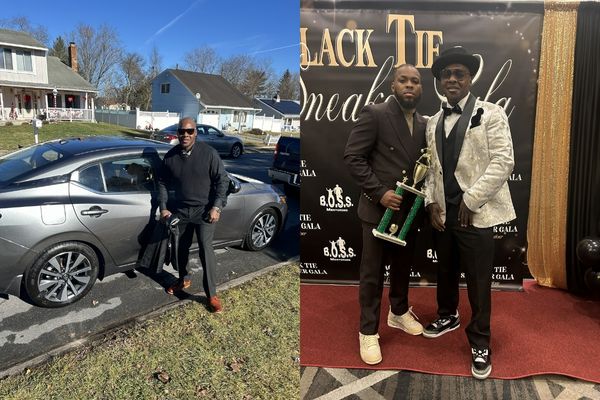
 Mr. Jay Rutherford, after coming home from 31 years of incarceration in May 2023, has committed himself to transforming lives. He founded Life After Life Returning Citizens group that helps with housing and job support to returning citizens. He also launched the Kings and Queens of Camden Chess Club. He’s spoken on notable panels, including the University of Kentucky’s Re-entry Experience.
He serves at New Beginnings Behavioral Health and will soon be a team lead at CSPNJ (Collaborative Support Programs of New Jersey). Jay is also a member of CPAC (Community Planning and Advocacy Committee) of Camden County, and the chairman of the Camden County Advisory Board.
Through these roles, he’s changing the narrative for those returning from long sentences, leading with hope and action. Jay has also been granted a scholarship to go to Washington DC as a guest and NARH (National Alliance to End Homelessness) is sponsoring his trip.
Leave a Reply