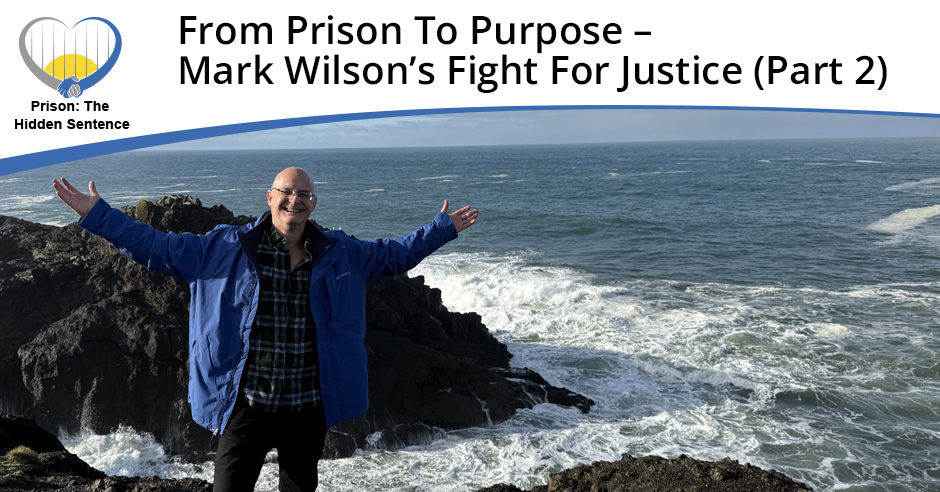
Prison didn’t stop Mark Wilson from becoming a force for good—it’s where his journey into advocacy and restorative justice began. In Part 2, Mark shares how he used his time behind bars to create programs that empowered others to grow, take responsibility, and prepare for life after release. His work didn’t end when the gates opened—today, he’s a paralegal with the Oregon Justice Resource Center, helping people inside and out access justice and support. We talk about reentry, rebuilding family connections, and what it really means to live with purpose after incarceration. Whether you’ve been affected by the justice system or not, Mark’s story is filled with insight and inspiration for anyone who believes in second chances, healing, and making a difference.
—
Listen to the podcast here
From Prison To Purpose – Mark Wilson’s Fight For Justice (Part 2)
Welcome to Prison: The Hidden Sentence, where we raise awareness one story at a time. I’m your host, Julia Lazareck, advocate, author, and fellow traveler on this path. I’m the author of Prison: The Hidden SentenceTM: What to Do When Your Loved One is Arrested and Incarcerated, which can be purchased on Amazon. In part one of my conversation with Mark Wilson, we talked about the beginning of his journey, what led to his incarceration, how it impacted his life and his family, and the emotional weight of serving time alongside the people who love you.
Mark opened up about his early years in prison, the challenges he faced, and how the support of his family became a driving force for his transformation. In part two, we continue that journey. Mark shares how he turned his time inside into a mission, creating programs to help others grow and take accountability, and how that work didn’t end at the prison gate. We’ll talk about what it was like to be released, how he was adjusting to life after incarceration, and the evolving relationship with his family, who never left his side.
Working as a paralegal with the Oregon Justice Resource Center, Mark is helping others access justice, both inside and outside the prison system. He’ll also share his reflections on life, purpose, and how his story can inspire and guide incarcerated individuals, returning citizens, and the families who walk this path with them. In part one, we left off with why and how you started your programs, Mark. I’m so glad to be speaking with you again. Let’s dive a little deeper into the program you created. I definitely want to hear more about that.
Fighting For Justice: The Hepatitis C Advocacy
I didn’t set out to create programs, but at the same time, programs were no longer available in the prison system, offered by the prison system. In Oregon, we had the ability to create programs if we found people in the community, volunteers who were willing to come into the prison and help do that. I initially did that with the program I mentioned last time, the Victim Awareness and Empathy Development Program, with the gal who was the victim advocate at the district attorney’s office. We ran that program from 1997 until 2004. The only reason that ended was that I was pretty instrumental in that program. In 2004, prison officials retaliated against me for my illegal efforts within the prison system and sent me to another prison.
That’s because you were helping other people who were incarcerated with legal matters.
Yes. I actually had done a successful class action lawsuit to get people suffering from Hepatitis C treated when the prison officials were not going to treat people with that condition.
I have to say something here because that’s so important. I don’t think you know this, and I don’t talk about it a lot, but my brother passed in prison from Hepatitis C.
I’m very sorry.
Thank you. Your work is so important because people don’t realize how prevalent it is and that it is curable. That work is so important. Thank you.
Thank you. That was a situation where, in 2001, one prisoner came to me. He was crying. He had come from the doctor. He said, “I have Hep C and they won’t treat it. The doctor told me we all have to die of something.” I said, “What? No, we don’t all have to die of something. Yes, they have to treat your Hep C. Let’s figure out a way to do that.” I found an attorney who was willing to work with me to help him sue. During the course of our litigation, we found that by DOC’s own admission, 5,000 of our 9,000 prisoners at that point were infected with Hep C. They decided that the treatment was too expensive and they weren’t going to treat them.
We brought a class action lawsuit. Throughout the litigation, DOC and their attorneys were telling the court, “We don’t need to treat Hep C because nobody dies from Hep C. It’s no big deal.” Sadly, during the course of our litigation, which we started in 2001, our lead plaintiff in the suit died of Hep C during the course of our case. Fortunately, our federal judge was paying attention. The next morning, she called the attorneys into the courtroom. She said, “I thought you told me nobody dies of this.”
That started the catalyst for the settlement process. There were a lot of other things. We had a health services manager who nurses told us was pruning medical files. It was her term. What he was doing was going into prisoner medical files and shredding anything in there that showed that they had a Hep C diagnosis or had requested treatment, anything like that. This nurse whistleblower revealed that. Fortunately, a lot of our guys were veterans. They had already received copies of their medical files for their VA claims. We had the documents that he was shredding. We were able to show that this nurse is saying this. “Here are the documents that aren’t in the file now.” That also helped with the settlement.
Ultimately, in April of 2004, the Department of Corrections agreed to a settlement where an outside panel of experts rewrote DOC’s policies for Hep C treatment. The court had oversight for two years over the case. There were a lot of wrongful death actions that came out of this, too. From 2004 on, DOC has been a lot better about treating Hep C in the Oregon prison system because of that litigation.
Unfortunately, because of that litigation, we initiated it in 2001. DOC started retaliating against me at that point, putting me in segregation under investigation, that kind of stuff. All of a sudden, it stopped in 2001, which appears to me that their attorneys probably told them they needed to stop retaliating. We settled in April 2004. In June of 2004, they started retaliating again, thinking that there was nothing that could be done if they did it, which was wrong.
In September of 2004, they sent me to a faraway prison that was a rougher prison. There were fewer opportunities available. With the attorney who brought the Hep C suit, we ultimately had to file a retaliation suit. That took some time, but they settled and brought me back to the prisons that I was removed from in the Willamette Valley, where more opportunities are available. That was the first retaliation event that occurred to me.
To your point, I had a guy that I worked with in the library come to me about six months before I got out. He opened my door. He says, “You’re going to hate me for this.” I said, “Why?” He says, “I got this guy here I want to introduce you to.” I said, “Okay.” The guy starts crying. He apparently was doing his last Hep C treatment that night. He hadn’t known the story. He wasn’t in the system when I did the suit. When he came into prison with Hep C, he thought he was going to die and never see his kids again. He’s weeping because he’s three weeks from release, and he was finishing his Hep C treatment. He said, “Because of you, I get to see my kids again.” I wrote the attorney. I said, “The gift that keeps on giving, the people that weren’t even in the system then are getting treatment now.”
Thank you for sharing that. That is so important to me. I appreciate it.
It’s sad that the system does that and uses money, which they’re not allowed to do. The case law is that you can’t use budget concerns to deny treatment to people, but a lot of the prison systems still do that. I’m hopeful that the Hep C issue isn’t as bad as it was in 2001 or 2004, but I still see that there are suits around this nation where people are being denied that treatment. The treatment is much more available now. It’s cheaper now. It’s more effective now.
The case law is that you can't use budget concerns to deny treatment to people, but a lot of the prison systems still do that. Share on XThere’s no reason for prison officials to be denying it. Unfortunately, Hep C is a leading cause of death in our prison system. It’s largely because of IV drug use, lifestyles before prison, and tattooing in prison that causes the spread of Hep C, and things like that. What we found in our suit initially, prison officials treated that like, “You deserve it. You brought this on yourself,” and had a negative attitude about their responsibility for treating prisoners with Hep C. I feel like we made some progress here in Oregon. I hope that continues across the nation, but I’m hearing that that’s not always the case, unfortunately.
Let’s hope that it is. Thank you for the work that you’ve done and for the people that you’ve helped. Let’s talk about your programs. Hep C is something I had experienced with my brother. It’s not to scare people. I don’t want people to be in fear because there’s Hep C, but it is curable, and there is work being done about it. Thank you.
That would be my point. If you’re a loved one of a family member in prison who has Hep C, or you’re a prisoner who has Hep C, it is possible to bring a suit to get treatment. You shouldn’t let prison officials say, “We’re not going to treat it,” because if left untreated, it is deadly. People should take it seriously and should try to get that help. In the various states, there are legal aid groups that I’m sure would be helpful to do that.
I wish I had known this in the ’90s when my brother passed. That’s why we do this. That’s why we have this show, to raise awareness so people know what they can do. Let’s talk about your programs.
Building Bridges: Creating Transformative Prison Programs
I had never set out to be a guy who creates programs in prison, but I guess that’s part of my legacy now, looking back on what I did. It was always that prison officials aren’t offering this. We got this person in the community who’s willing to offer it. Let’s figure out a way to make it happen because I want it for myself. Other people want it. We need it. The first group was the one I talked about with the victim advocate from the DA’s office.
Like I say, we ran that program from ’97 to 2004. I got shipped out, and then I got brought back to the Valley prisons in 2008. The importance of that is, I was in the Willamette Valley of Oregon initially, and then I was sent to Eastern Oregon for the retaliation. The difference in that is the volunteer base. The people who are willing to come into the prison system in Oregon are in the Willamette Valley, Portland, Salem, that kind of thing.
In Eastern Oregon, there isn’t a volunteer base of people who are willing to come into the prisons. In these prisons out in the far regions of the state, it’s hard to find people who are willing to come into the programs to do things. There aren’t things available in those prisons. I got brought back to the Valley prisons in 2008. I was one of probably 10 or 12 prisoners who were asked to meet with volunteers.
DOC was at that point starting what they called a facilitated dialogue program. That was going to be a program available for victims who wanted to reach out to prisoners and could have a facilitated meeting with them. These volunteers were going to be the people who would facilitate those dialogues. We met with probably 12 to 15 of those people. I said, “That’s great, but what happens when the victim says, ‘I want to do this,’ and the prisoner hasn’t done anything for 10 or 20 years in prison to get ready to do that? They’re not going to be able to engage in that communication. That’s going to cause the victim more harm.”
A couple of these volunteers agreed with that and said, “Let’s create a program to do that.” I tried to pattern it after the program I had done at the other prison for all those years. We did. We created what was called the Insight Development Program. The core was those two components I had initially, which were the impact of crime and how we got to the place where we gave ourselves permission to do the things we did.
We added a third component, which was a restorative justice component. How do you then manifest in your daily interaction with your prison community or the outside community your remorse? How are you giving back? How are you going to have something positive come out of this? That was the third component. What do you do to essentially put your remorse into action? What can you do to give back to your community?
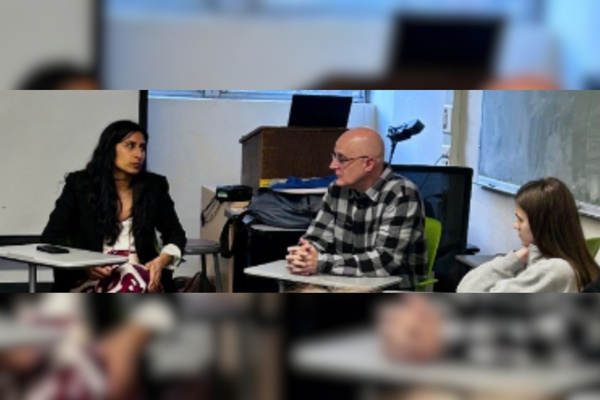
The insight development group ran at OSCI, Oregon State Correctional Institution, where I was, from 2008 until COVID shut things down in 2020. Several offshoot groups developed from that group as well. In addition to that group, in 2008, I met a man by the name of Craig Plunkett. Craig was an interesting man. Craig’s son was born with cerebral palsy and was profoundly deaf, but was able to succeed through life enough to go to Gallaudet University in 2001. It’s a school for the deaf in Washington, DC.
He went to college in 2001 as a freshman in August to start class in September. Within a couple of weeks of arriving at the college, he was murdered. They didn’t find out who did it. This went unsolved until another kid was murdered at the school in February of 2002. At that point, they found the perpetrator of the second crime and tied him to the first crime. It was another kid in the school.
Craig started coming into the prison system in 2004. There was a gal who was running some release classes at the time. She would bring him in for one session to talk about the impact of the crime on him. Craig admittedly, at that point, was very angry and was coming into the prison system to, in his words, beat up on prisoners. He was a part of the tough-on-crime victim groups. It was Parents of Murdered Children. It was Crime Victims United. It was groups that want nothing to do with prisoners and don’t believe prisoners can change. That’s where Craig began his journey.
I went to one of those sessions with Craig. I approached him and said, “Would you be willing to do more?” He was open to it. I worked with him to develop a place where he would have much more space to share his story over weeks at a time. I made that available to, initially, people who had committed homicides, but we opened it up to everybody. Over time, Craig used this group to tell his story, but then also started bringing in other victims and survivors of homicide and other crimes.
It was an opportunity, much like the Youth Crime Prevention Program, when the gall brought in the family members for us to have surrogate victims to hear what our families don’t ever want to tell us. Craig brought in family members of people who were incarcerated, what that experience has been like, and that kind of thing.
Over time, that became a healing thing for Craig. He let go of the anger. He came to see us as human beings. He stepped away from the tough-on-crime victim groups, whom he came to see, in his words, were stuck in staying at the point of being victimized and not healing from that. It wasn’t working for him anymore. He began to heal. Craig and I are friends still. We’ll probably do some speaking together out here in the community at some point, I would imagine. Craig ran that group. We ran that group together from 2008 until COVID shut everything down in 2020.
He’s okay with us talking about him here?
From Adversity To Empathy: Craig Plunkett’s Path To Healing
Absolutely. Craig would love to come on your show, I’m sure, and would tell you all about his story. Craig is a great guy. During the course of his group, he brought in a gal. Her name is Leanne. Her son, Cody, was killed in a drunk driving crash. She came into Craig’s group to share the impact of that on her. When she did that, I asked her if she would be willing to do more. She said yes. She and I set about to create an impaired driver-specific impact program, where she brought in all kinds of people who had been impacted by drunk driving, impaired drivers, maybe texting, maybe on drugs, or whatever.
She also brought in people who had caused crashes. I also had several people in the prison system who were serving 10, 20, and 17 years for vehicular homicide and drunk driving wrecks. I asked them if they would come to the group and share their stories with the group. They were willing to. In fact, one of those people is out now. He credits that experience with launching him into doing this work in the community.
You’re talking about that one person. However, in speaking to other people, I’m not in a position to tell their story. I’ve spoken to people that have been through the programs that you helped create and created in the prison while they were in prison, and how it impacted them and helped them with reentry and to be successful on the outside. I wanted to say that you did make an impact on a lot of people.
Thank you. I’ve heard that from a few friends. I’ve got a friend I’m in touch with out here. He told me back to our first group back in ’97, something that Debbie, the victim advocate, said to him sticks with him still. There’s one thing. What gave you the right? That was such a profound, full, impactful thing for him to think about things in those terms. It’s nice to see how people didn’t just go through it and go through the motions, and go, “Yeah, whatever.” They were impacted by it.
I can remember one guy going through that first group. He came to me one night. He had been in prison for killing his wife, sadly. They had a three-year-old daughter at the time. She was raised by his wife’s family. He had no contact with her. It’s probably about seventeen years after the crime or so, maybe a little bit more. He received a letter from her. She said, “I expect you to put me on your visiting list.” It can’t happen that way. There are rules that the Department of Corrections has that don’t allow that to happen, but a victim doesn’t know that.
She wanted to come in and confront him. He and I met with Debbie, the victim advocate, and said, “This is what he received.” He wants to engage with this. This was before the Department of Corrections had a facilitated dialogue program. We worked with Debbie. We were able to get the prison officials to agree to allow her to facilitate a meeting with Michael and his daughter, Holly. It was healing for both of them. They don’t have a close relationship, but it was something she needed to do. It helped in her journey.
He’s out now. We’ve talked about how that grew out of that, and had similar things like that happen with Craig’s group. We’ve been able to help prisoners actually engage with the people they’ve harmed. Again, all these efforts have turned the light on for prisoners in ways that we don’t normally think about the impact of crime. It caused them to reach out to their own families and say, “Will you tell me what this has been like for you?” It’s been a healing process for both the prisoners and the families.
Restorative Justice: A Two-Sided Path To Healing
I want to say we’re talking about people who have been killed, and it’s not nonchalant. We don’t want it to seem like that. What we are focusing on is the healing on both sides. The focus is restorative justice. That’s not a term that a lot of people understand. You’re talking about it so eloquently, explaining that restorative justice is for both sides. It’s a healing for both sides for everybody, the family, the victim, and the person who perpetrated the crime. The only way we can move forward is through healing. That’s why restorative justice is so important. That’s why your programs that you created are so important. Let’s talk about what happened during the pandemic.
Before, though, I’d like to comment on what you said. When I started down this path, restorative justice seemed like an interesting concept to me. I like the sound of it. You’re right. It is a very healing process that is important. It’s not just some feel-good buzz term that you know about a different way of viewing how we engage the system. I’ve seen a lot of important healing come out of it for victims and for prisoners.
Restorative justice is a very healing process, an important one. It's not just a feel-good buzz term, but a different way of viewing how we engage the system. Share on XTo families, and it’s when they’re ready.
It’s important. I mentioned that all these programs are volunteer-driven programs because the prison system wasn’t offering programs. Programs aren’t important to the prison system in this tough-on-crime or accountability phase of where we’re at in the system at this point. It’s all volunteer-driven, but unfortunately, when the pandemic hit in 2020, to keep prisoners safe, prison officials said that no non-essential people could come into the prison system. That would include volunteers, contractors, attorneys, and visitors. If they weren’t guards that were working in the prison system, they weren’t allowed into the prison system.
That ended up ending all programs that were being run by volunteers in the prison system. That went on for probably two years or so. It slowly began to open up again. Part of that, in Oregon, the prison officials had a whole volunteer base before COVID. They decided we’re going to use this opportunity, where we don’t have a volunteer base, to restructure how we’re going to do volunteer stuff going forward. It has become much harder now for someone to get approved to come into the prison system to be a volunteer. It’s a much more drawn-out process that people get frustrated with. It takes a long time. There’s a bunch of red tape and hurdles. It’s a lot more difficult for people to volunteer in the prison system now. Programs aren’t as readily available now as they were before the pandemic, sadly.
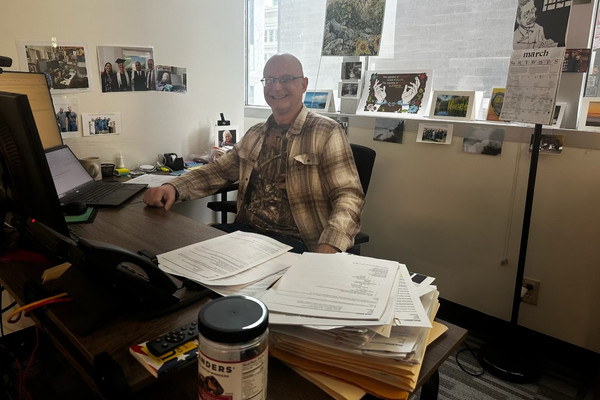
What were you able to do once some of the restrictions were lifted on visitation, volunteers, and stuff? Then, we’ll talk about your release.
A lot of the programs didn’t come back. I know Leanne was able to get her impaired driver program back once or twice, but it isn’t back on a regular basis yet. She is still struggling to get that. The others are trying to navigate that process still. It’s been difficult to get the programs back since the pandemic. At least in Oregon, I don’t feel like there’s real value placed on those programs by prison officials. It’s not something measurable to see how somebody is impacted by hearing from a crime victim. They can’t say, “This guy changed his life because of whatever volunteer-driven program he was involved in.” I don’t know that the prison officials care about those things anyway.
Maybe they’ll tune in to this.
I would hope so because this is important. I think you mentioned it’s 95% or so of prisoners are returning to our communities. Who do you want returning to your community? If you don’t give these programs in the prison system, they’re coming out at best as broken as they were when they came in, and at worst, more damaged by the process. A lot of times, I’ve heard rhetoric through the years, “You don’t deserve programs.”
If you don't offer these programs in prison, inmates emerge, at best, as broken as they entered, and at worst, more damaged. Share on XI may not deserve programs as a prisoner who did these things, but don’t you, as my neighbor, when I come out of prison, deserve these programs? It’s to make me a better, safer person so that you’re going to feel comfortable engaging with the community when I come out. A lot of people have this negative view about prisoners, as “We should lock them up and throw away the key.” That doesn’t happen. We don’t lock them up and throw away the key for the most part. We make people do a long time, but eventually they will come out to our communities. We want them to be healthy people when they come out.
If you don’t give them those opportunities to change in prison, that’s not who’s going to be coming out of prison. It doesn’t make sense to me. They talk about tough on crime. If you give the programs, it’s soft on crime. No, it’s smart on crime. Let’s do something that helps reduce your addiction. If you’re a sex offender, let’s get you sex offender treatment in prison. There’s no sex offender treatment in prison in Oregon when 40% of the population are sex offenders. There are all these different things.
Fifty percent or so have mental health issues, but don’t get mental health treatment in prison. There are so many things we can do to intervene in the things that brought people to prison while they’re sitting in prison. Instead, we lock them in a cage and don’t give them the opportunity to change. We then expect them to be functioning, healthy, and safe people in the community when they’re released.
From Life Sentence To Freedom: Mark’s Release And Reintegration
I hope everybody reads this because that’s part of raising awareness, how important it is. Let’s talk about after the pandemic, what you were doing and how you were notified that you were getting out. When we started this conversation way back in the other part, you were told that you were never getting out and you were going to die in prison. Let’s talk about that journey because people are interested in how you heard about it, what it was like getting out, and then your relationship with your family.
That’s a complicated journey. I was told in 1989, when I was nineteen years old, “You will die in prison.” I told you that the law I was sentenced under gives me the right, after serving twenty years in prison and then every two years after that, to what’s called a rehabilitation hearing. I have to go into the hearing and prove to a parole board that I am capable of rehabilitation in order to have the opportunity for release. I was eligible for that first hearing in 2007. I didn’t receive it until 2009. That was a horrible hearing in 2009.
The chairman of the parole board was a former prosecutor who had aspirations to be an elected DA in one of the counties in Oregon, and ultimately went on to become the elected DA of one of our counties. As the chairman of the board, I’m sitting in a rehabilitation hearing, trying to present my evidence of what I had done from 1987 to 2009 to try to change my life and connect the dots and how I got to where I got to and all that stuff. The chairman of the board says, “It’s obvious you’ve done a lot to change your life through the years, but I guess the big question is, so what?” I said, “So what? If that’s not evidence of rehabilitation, I’m not sure what is and how I’m supposed to prove my case to you.”
He says, “What are we supposed to do with that in our decision-making today?” I’m like, “You’re supposed to consider whether I’m capable of rehabilitation or not.” That was the tone of the hearing. They ultimately found that I was not capable of rehabilitation and then went to the media and said, “Don’t worry. He’s going to die in prison.” That was the second time I heard that. That was 2009. I was eligible to go again in 2011, 2013, and 2015. I didn’t.
I lost hope. I felt like it was clear that they weren’t going to apply the law to me, that they intended for me to die in prison. There was no point in going through this painful process for me, for the victims, and for my family. It was a horrible process that was a re-prosecution of the crime over and over again. I just saw no point in going. That moment was a dark place for me, where I wanted to quit. That was probably the closest I ever came to committing suicide in prison, feeling like, “What’s the point of this? I can’t do this anymore. I’m tired. I can’t keep doing this.”
What turned you around?
The groups I was in, a lot of the people in there cared about my life and me in particular, and my spiritual practice. I had not been practicing. I had a Buddhist practice that I had stopped practicing. Getting back to practice, getting back to meditating, being in the moment, and a lot of different things helped come together to help me get through that process. I got through that in about eighteen months. I still wasn’t going to the parole board because I still felt like it was absolutely pointless.
There was a point along the way where I realized that I was robbing my grandmother and my parents of the opportunity to see the end of this by giving up. I felt like I was hurting them more. I decided that it feels completely pointless to do this, but I’m going to do it so they can see me trying to do it. I don’t know that anything is going to come of this. I’m not optimistic at all. I went back in 2017, same result. I went back in 2019, and it was a different result. They found me capable of rehabilitation. At that point, they set a release date for me of 2027, and then later reduced that down to 2025, which was January 9th.
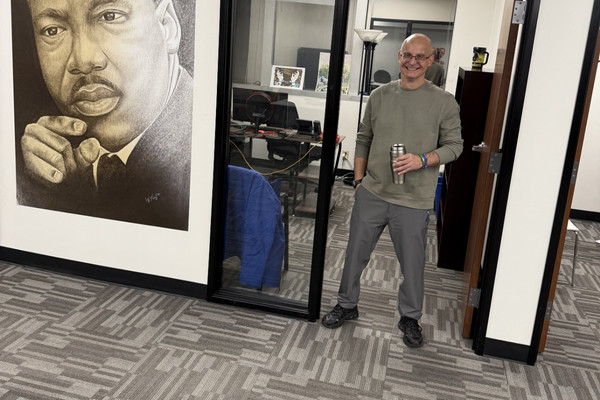
That’s when you were released.
I had a couple of other hurdles I had to get over in that process to get released. In September of 2024, I learned that I actually would be released on January 9th of 2025, one day before my father’s birthday. I was shocked. My family was shocked. We all pretended to each other that this wasn’t forever. When I got out, we all admitted to each other that none of us thought this day would ever come.
The Day Of Release: A New Beginning
What was that day like?
That was an amazing day. My family was there for me. They picked me up. I did the things I had to do that day, and then we headed over to the beach, where we stayed for five days. The universe welcomed me back with a double rainbow. It was sweet. I spent the first five days at the coast with my parents. My brother and his family came over for some of that time. That was a nice way to transition back into the world after 37 years of incarceration. I didn’t have any obligations.
I could be with them, be present, and take it easy. I got out on a Thursday. We did that until Monday. The following Wednesday, I went to work. I did that. My employer and my family were telling me, “Take more time. Don’t go to work right away.” I said, “No, I need to go to work. I know work. Work is a safe, comfortable place for me. I feel everything else is chaotic. I feel like work is something I can focus on and not feel the chaos of everything else.”
Was this with the Oregon Justice Resource Center?
It was.
How did you set it up before you were released?
While I was a paralegal on the inside, I started working with staff at the Oregon Justice Resource Center in 2018. We have known each other through the years. The attorneys at the Oregon Justice Resource Center helped me navigate the parole process at the end and helped get me out. I wouldn’t be out of prison without the Oregon Justice Resource Center and all the great people who are there. We have 55 employees there. Thirty percent of us are formally incarcerated. Our mission is to frustrate and dismantle mass incarceration.
You can see our website, www.OJRC.org. You can see we have several different projects, the Women’s Justice Project, the Youth Justice Project, the Innocence Project, and 7 or 8 different projects of different specialty areas that our organization works on. OJRC is a great organization in Oregon that’s helping to impact the prison system in positive ways. The criminal justice system, not just the prison system, but we do a lot of work in the prison system.
We do it through litigation. We do it through legislation, working with stakeholders who may work with the attorney general, the governor, or different people in power in the criminal justice system to impact it in positive ways. They knew of my ability. I knew of them. They offered me a job upon release. I agreed to take that job. Again, they were willing to let me take as long as I needed to come to work, but I wanted to get to work right away. I got out on January 9th and started work on January 15th. I got my first paycheck on January 31st. I made more in those first two weeks than I made in three years inside.
Work was something that you were familiar with, something that you were comfortable with, and something that you had control over.
Control, exactly.
Navigating Re-entry: Challenges And Support Systems
When people are coming out, a lot of times, they don’t have a job, so kudos to you. What were some of the adjustments that you had to make, or something that could help our families that are tuning in?
Again, having my family there with me through the release process was valuable. My family was great, though. They understood the balance between being there for me, helping me, letting me figure things out, and letting me have my life. I was with my family the first five days, and then they went home. I did my thing while they stayed in touch with me. “Do you need anything? How’s it going?” This kind of thing. There was a nice balance to that because you do have to learn these things, too. It’s nice to know you have the safety net of the family that helps you.
It's nice to know you have the safety net of the family that helps you. Share on XI’ll say, I have learned that I had a soft landing and an easy process, which is the exception, not the norm. I will also tell you, when I was released, you went to R&D, Receiving and Discharge. Before that, you’ll have clothes sent in that you’re going to wear outside the prison. You’re going to R&D to get yourself ready, your prison stuff, and put on your new clothes. The day I got released, two other inmates were getting ready to get released.
Once we all got dressed, this sergeant in R&D, who was normally rotten to prisoners, was all happy. He said, “Guys, come on over here. I got something for you.” We go over to where he’s calling us. There’s this cart. On this cart are three backpacks. He said, “We’re giving you these backpacks to take with you today to help you on your journey. Go ahead, pick one, and take it with you.” I said, “Great.” I grabbed this backpack, and I left. At night, I opened the backpack and looked in it. What they were patting themselves on the back for giving us was a blanket and a rain tarp, which suggests, “You’re going to be going and living under a bridge. Have a nice life.”
It’s open to interpretation, but yes, that is odd.
Yes, exactly. That’s the help, sadly, that most people would receive, leaving the prison system. I was fortunate to have family and a job. I had an apartment waiting for me. I had some money saved up. All those things were helpful. There were a lot of things that are a part of the normal release process that were also unhelpful that I had to navigate. Without those things, the release process would have been a lot worse. In my job and outside my job since release, I have continued to go back to the prison and help people transition out.
I have discovered that the normal reentry process is much more difficult than mine was. I’ve seen a lot of people struggle through that process. I’m trying to help find ways now to help improve that for people who are returning to the community. It’s difficult to do. We need to do more to help people transition back to the community. Having a family that is there with and for them is hugely important. It makes a lot of difference.
A lot of people do not have, whether they’ve been in prison so long, they don’t have a connection to their family anymore, or they’ve burnt bridges. Whatever it is, there are a lot of people who don’t have anyone in the world who cares about them anymore. Their struggle is very difficult. Unfortunately, a lot of times it leads to people returning to prison right away, returning to drugs and alcohol right away, or both. There are a lot of immigrant people who don’t get help in prison.
Beyond Incarceration: Finding Purpose And Giving Back
I was going to say that with the programs. I’ll put a shout-out to Prison Families Alliance, which is the support group that I’m involved with that provides support to the families and to the prison families of returning citizens. Having that information for the families is so important. It’s so difficult, like you were saying, that when somebody is released, we say through Prison Families Alliance, that reentry starts at day one. You look at your story where you don’t think that you’re going to get out. You are making your life, helping others, and helping yourself, as you were incarcerated. All the good work you did not only helped others, but it also helped you so that you could be released.
It’s so important. You’ve been out since January. Look at what you’ve done, everything you’ve shared, and the time that we spent together. I want to thank you so much because it’s so informative. It’s so helpful. You’re giving back. A lot of times when we’ve been through something, we can either move on and say, “I’m done with it,” or we can say, “I’ve got this knowledge, this wisdom, and this information. I’m going to help others.” It’s not like I have to do. It’s more like a mission. I don’t know about you, but I think it’s rewarding when you help somebody, because you know that what you’re doing not only helps you, but it’s helping other people. That’s important.
There are a couple of things you said. After being impacted by that system for so long and seeing the harm that system causes for so long, having so many people still stuck in that system who are my brothers and sisters, how could I walk away? How could I turn my back on that? There’s so much more work to be done. The other piece of that is it’s a part of my recovery as well. It’s a part of my rehabilitation as well. It’s a part of having meaning and purpose in my life as well.
A big part of addiction is being stuck in yourself and not caring about other people. A big part of recovery is about reaching outside of yourself and helping other people. The people that I know who are successful in overcoming addiction and staying in healthy recovery are people who have found a way to continue to be a part of their community and to give back to the world in positive ways. Honestly, it’s something that goes back to what I said earlier. My rehabilitation journey started as an expression of, “I’m sorry. This is the only way I know to be able to say I’m sorry in any meaningful way.”
A big part of addiction is being stuck in yourself and not caring about other people. A big part of recovery is reaching outside of yourself and helping other people. Share on XThat doesn’t end. That’s something I’m going to do for the rest of my life. This is part of me saying I deeply regret the harm I caused my victims, my family, and so many other people. The only way I can express that is to not cause harm, help heal harm, and continue to be a positive asset to the community that I’m in. I’m not alone in that. There are a lot of people who come out of prison feeling that way. For those who want to think we are the worst thing we have ever done in life, they would never believe that. I’m telling you, I know many people. I’m not unique. There are so many people across our nation who are doing positive things that have come from painful, dark places. The painful, dark places are the catalysts that have brought them to do positive things in their communities.
A Message Of Hope: Guidance For Returning Citizens
That’s so true. I thank you for what you’re doing and honor what you’re doing. I want to say that our hearts do go out to the victims. This show has been about healing, restorative justice, people moving on, and people doing good things in spite of everything that’s happened in their lives. Before we wrap, I have two questions for you that I’d like to end with. It’s going to be a little different. One, if you could give a word of advice to returning citizens that can help guide them or give them hope when they come out of prison.
Stay positive. Stay connected to positive people, whether it’s family, whether it’s people who were volunteers in the prison system, or whether it’s people in the community who are trying to help with reentry services and recovery. Take your recovery seriously. Don’t think that you had a methamphetamine addiction, so you’re not going to use methamphetamine, but it’s okay to use alcohol. No, it’s not.
You need to stay serious about staying on a positive path. As hard as it can be at times, there are other people who are walking this path in a positive way. If you look for those people who existed in the prison system, they exist in the community as well. There are people who are willing to help. You should seek those people out. Don’t be proud. Ask for help if you feel like you need help. It is possible to move beyond this chapter of life.

Supporting Families: Sustaining Hope Through Incarceration And Beyond
I love that. That is good advice for anybody. It is to surround yourself with positive people. We say that even when somebody is incarcerated. We talk to the families, “Just tell your loved ones to stay with the good ones, to stay with the positive people.” That’s true in life. What about the families? We have a lot of families that tune in to this show. How can they best support themselves and their loved ones when they’re incarcerated and when they’re released?
That’s different for everyone. I feel blessed that my family had the strength to endure what they endured. It would be easier not to. I don’t want to say you should do that. Every person has to decide what they can endure. I do know that I’ve had a lot of friends through the years who had nobody left in the world that cared about them. It made their journey a lot harder, a lot sadder, and a lot more painful. If you can find a way to be present and to heal with your loved one, there’s a benefit to you in doing that eventually.
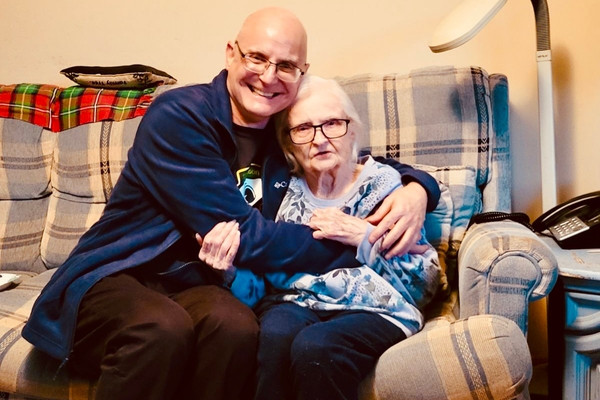
You can be the catalyst to help that change occur. Like I say, I feel blessed that my family didn’t turn their backs on me when it would have been easy to do that. I don’t know what my life would have looked like if they had done so. I feel happy that they were all able to see the end of this. I feel like this is always going to be a part of my life, but it doesn’t have to be a part of their life every day. They get to engage with me without thinking of me as a prisoner and all the different requirements that they had to endure while I was a prisoner. I can be their son again or their grandson. I can be a brother. They don’t have to think about any of that anymore.
It can end. That’s a process that I’m going through with my family of deepening healing. It’s a fresh process. That’s been involving. It’s a process that’s been occurring. It feels like it’s been a positive process for my family. Had they walked away whenever they walked away during my incarceration, then that process probably would never have occurred. I’m glad to see the healing for them. I’m glad to see that they can see me as something other than someone in prison for the rest of my life for a horrible crime. They can have some additional context for my life now that they can feel proud of. They can feel that I wasn’t lost, that I am still the person that they thought I was before this happened. Had they walked away, they would never have known that.
It’s hard. I know it’s hard. I don’t fault people who say it’s too hard to keep doing this. I get that sometimes, those of us in prison keep doing things that make it hard. At some point, maybe the tough love is, “Until you get your act together, I’m not going to continue to be harmed by this.” That’s understandable. I would probably be feeling the same way. I hope that people are able to continue to have hope for a better tomorrow. Both people inside and the family that loves them outside. I think we can get there. I know we can. I’ve seen many other people get there. I hope that my experience might give you some hope that it’s possible.
There’s always hope. Mark, thank you so much for your time. I appreciate it.
My pleasure.
You are an inspiration. I know that we will definitely stay in touch. We’ll see you in November at the Connecting 4 Justice Conference here in Las Vegas.
I look forward to it.
It’s going to be great. Everybody out there, take care. Mark, you take care. You’re doing great. I’ll see you probably before November. Take care.
I look forward to it. Take care.
Important Links
- Prison: The Hidden SentenceTM: What to Do When Your Loved One is Arrested and Incarcerated
- Mark Wilson on LinkedIn
- Oregon Justice Resource Center
- Prison Families Alliance
- Oregon To Free Legal Advocate Mark Wilson From Prison | HuffPost Latest News
- Connecting 4 Justice International
- Prison: The Hidden Sentence
- Equal Justice Initiative
- Ninth Circuit Upholds Order Vacating Conviction in Oregon Prison Director’s 1989 Murder; SCOTUS Declines Review
- How Oregon’s Prison System Retaliated Against Its Most Effective Jailhouse Lawyer | HuffPost Latest News
About Mark Wilson
 Paralegal & Policy Associate, Oregon Justice Resource Center – Oregon, USA
Mark Wilson spent 37½ years incarcerated for crimes committed as a teenager, teaching himself the law and becoming a nationally known jailhouse lawyer. He helped peers challenge convictions, sentences, and conditions; co-facilitated rehabilitation programs; and brought major lawsuits—including a federal class action compelling Oregon to treat 5,000 incarcerated people for hepatitis C.
A longtime contributor to Prison Legal News and Criminal Legal News (1998–2025), he continues his advocacy with OJRC following his 2025 release.
Leave a Reply